
What Is Pool Coping For Inground Pools
What Is Pool Coping For Inground Pools?
Pool coping for inground pools is a protective and decorative edge that can be made from a variety of materials that surrounds the pool. This edge meets the surrounding pool deck and also functions as a non-slip surface. Its key purpose is to provide protection to the pool, ensure safety for pool users, improve the pool’s structure, and, lastly, enhance its aesthetics.
Here is a breakdown of the function of pool copings.
What is the Function Of Pool Coping?
Protection To The Structure
Coping acts as a barrier, preventing water from seeping between the pool deck and the actual pool shell. This water can cause erosion and lead to structural damage to the pool over time.
Safety
Safety will always be a priority around pools. Slip hazards are incredibly dangerous and can lead to injury and death. The slip-resistant nature of coping makes it safer to walk on, stand, sit on, or grab on when in the pool. It also makes it safer to enter and exit the pool.
Aesthetics
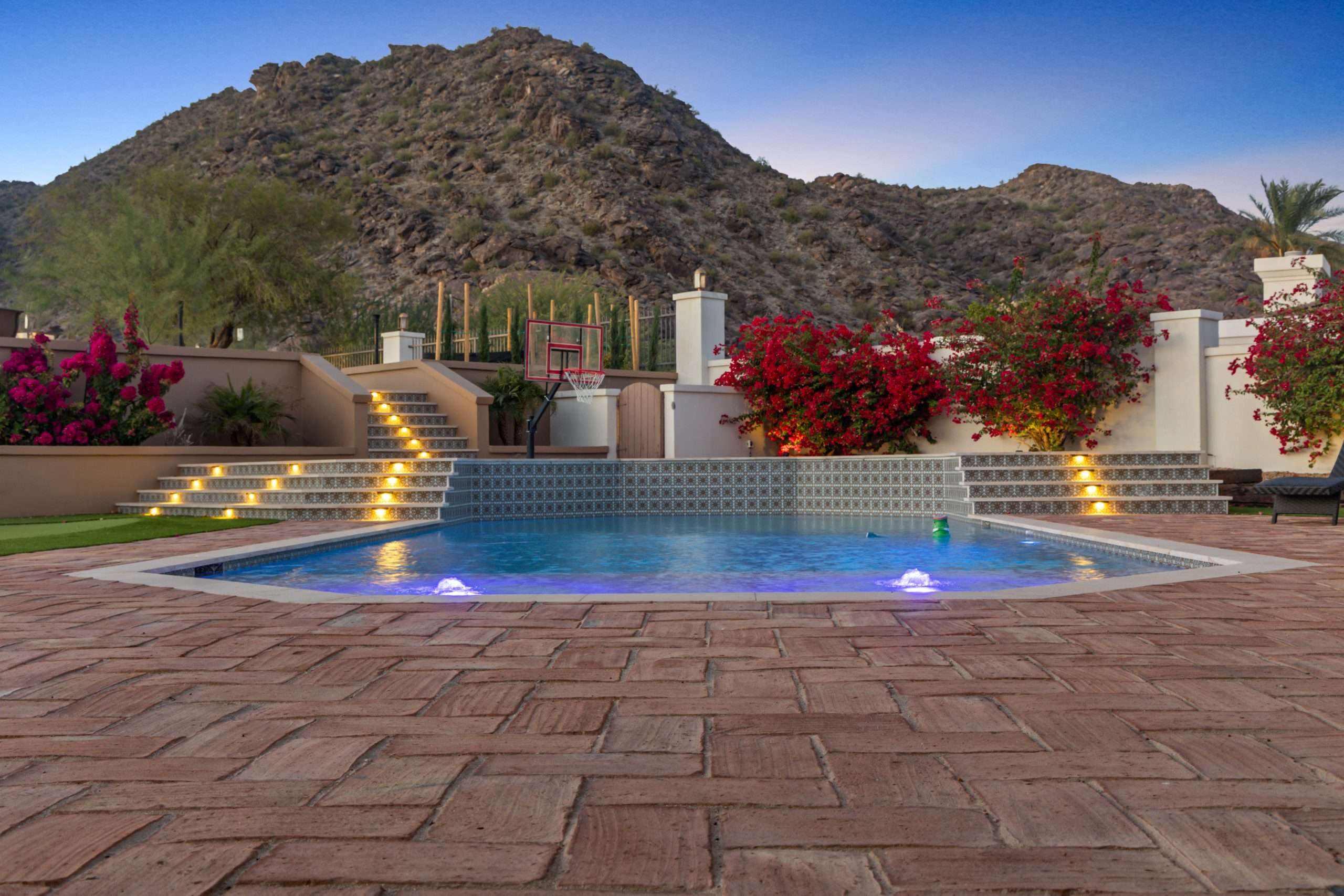
Pool coping looks great around pools. It improves the overall aesthetic of the pool area and surrounding deck. It also offers a comfortable seating area, allowing you to watch the kids swim while chatting with your friends.
Is Pool Coping Necessary?
Pool coping is necessary because it protects the pool structure, improves safety, and enhances the appearance. It acts as a protective cap around the pool’s edge. It prevents water from seeping behind the shell and causing water damage and erosion. This can lead to structural issues.
Coping provides a smooth and slip-resistant edge, making it safer to get in and out of the pool. Without pool coping, the pool is vulnerable to structural issues, safety hazards, and has a less polished look overall.
What Is The Best Pool Coping Style?
Bullnose coping is a popular choice for pool edges due to its smooth, rounded profile, which creates a safe and comfortable transition when entering the water.
The curved design is easy to grip, reducing the risk of scrapes and accidents around the pool.
The classic look suits traditional and modern pools and comes in a variety of materials finished in that way.
This edge is the most versatile of the options.
Types Of Pool Coping
Concrete Pool Coping
Concrete is a versatile and cost-effective choice for swimming pool coping. It can be poured in place or purchased in pre-cast shapes, styles, and sizes.
Concrete offers a variety of different finishes, from smooth to textured or even a decorative stamped finish.
Concrete is both durable and functional; however, it may require sealing to prevent staining and weathering over time.
Concrete pool coping does have its pros and cons, though.

Pros:
- It’s cost-effective.
- Can either be poured or pre-cast
- Wide variety of finishes
- Durable and long-lasting
Cons:
- It can crack over time. Proper installation is key.
- Requires sealing
- Doesn’t have the luxurious look of natural stone.
Paver Pool Coping
Paver coping uses individual units (either made of concrete, brick, or stone) that are installed around the pool’s edge. This option is highly flexible because it allows for easy repair or replacement if they get damaged. Due to the variety of pavers, they come in a variety of colors, textures, and patterns. This makes them easier to match to surrounding patios and walkways.
Like many other options, pavers have pros and cons.
Pros:
- Easy to replace when damaged
- Offers a wide range of patterns, colors, and textures
- Textured options offer great slip resistance
- They are durable and weather-resistant
Cons:
- Installation is labor-intensive
- The base needs to be properly prepared; otherwise, shifting may occur.
- Joints need to be properly sealed; otherwise, weeds or moss can develop.

Natural Stone Pool Coping
Natural stone is a premium choice for pool coping. It is often the choice if the homeowner is looking for timeless beauty and durability.
Natural stone options include travertine, limestone, granite, and sandstone.
Each stone is unique, with its own coloring and textures.
While natural stone is durable, it does require sealing to prevent damage from pool chemicals.
Here are the pros and cons of natural stone pool coping:
Pros:
- Elegant, high-end look and feel
- Durable and long-lasting
- Wide range of stone types and natural color variations available to complement your landscape
- Stay cool underfoot (e.g., travertine)
Cons:
- Expensive
- Requires sealing
- Some stones may chip or erode over time
Brick Pool Coping
Brick pool coping offers a traditional and classic look that homeowners love. The earthy tones and uniform appearance pair well with many homes and their landscapes.
Brick is durable and slip-resistant.
The major downside is that they absorb heat quickly and can get incredibly hot.
This may not be the best idea for the Arizona summers.
Here are the pros and cons of brick pool coping:

Pros:
- Classic and timeless
- Strong and durable
- Slip-resistant even when wet
- Matches well with brick homes or patios
Cons:
- Gets extremely hot under direct sunlight
- May require sealing
- Color choices can be limited

Pre-Cast Concrete Coping
Pre-cast concrete coping is coping that is manufactured in pieces designed to mimic the look of natural stone.
They are consistent in size and shape, which makes it easier to install and is more uniform than other natural options.
This option manages to balance affordability and style, giving the homeowner a great option without the price tag.
Here are the pros and cons of pre-cast concrete coping:
Pros:
- Consistent size and shape
- More affordable than natural stone
- Variety of styles and finishes available
- Durable and versatile
Cons:
- Not as unique as real stone
- Can chip or crack if not properly installed
- May need sealing for long-term protection
Concrete Pavers
Concrete pavers are a popular choice for both pool decking and coping.
Concrete pavers are manufactured in various sizes, shapes, and colors, making them a versatile choice for homeowners.
Concrete pavers are durable, cost-effective, and easy to repair or replace.
They are also slip-resistant when wet.
Here are the pros and cons of concrete pavers:

Pros:
- Concrete pavers are affordable and widely available
- Easy to replace
- Available in many colors, shapes, and textures
- Slip-resistant finishes are available
Cons:
- Can fade over time
- A proper base preparation is required to prevent shifting and settling
- Requires sealing

Natural Stone Pavers
Natural stone pavers are a great option for homeowners who want to bring elegance and character to their poolside. Each piece is unique, offering variations in color, pattern, and texture.
Stone paver options include travertine and slate.
They are chosen for their beauty and ability to stay cool underfoot.
Natural stone pavers are the more expensive options, but they are long-lasting and have a high-end look to them.
The pros and cons of natural stone pavers include:
Pros:
- Luxury look and feel
- Durable and long-lasting
- Remain cool underfoot (examples include travertine)
- Adds natural beauty to your outdoor spaces
Cons:
- Higher cost
- Installation can be complex and expensive
- Requires sealing
Factors To Consider When Choosing Pool Coping For Your In-Ground Pool
Slip Resistance
The first and most important factor when choosing pool coping for your pool is the slip resistance. Since the coping surrounds the pool’s edge, it will constantly be splashed wet and have wet feet running around it during the summertime.
We always advise choosing a non-slip material. This should reduce the risk of accidents and ensure the safety of everyone swimming in the pool. Textured stone, pavers, or specialty-treated concrete options are common choices that provide the necessary grip.
Heat Resistance
It gets hot here in Phoenix. Pool coping should remain comfortable underfoot when walking around the pool on those hot summer days. Light-colored natural stone or concrete finished in a special finish to reflect heat and remain cooler to the touch would be our suggestion.
Darker stone or dense materials may absorb and retain heat, making them uncomfortable to walk on with bare feet. Heat resistance is crucial if your pool area gets strong, direct sunlight.
Durability
Pool coping needs to be durable. It needs to withstand the constant exposure to pool water, chemicals, and weather conditions such as sun and rain. Natural stone options, like travertine or concrete pavers, are known for their strength and long lifespan. The coping material shouldn’t crack, chip, or fade, saving you from a costly repair bill or outright replacement over time.
The Edge
Another factor to consider not only affects the pool users’ safety but also the style of the pool. Rounded or bullnose edges are smooth, safe, and allow swimmers to enter and exit the pool without the risk of harming themselves on sharp or straight edges. If you are looking for something with straight edges, you may need to compromise on safety.
The Aesthetic
Coping influences the overall look of your pool. Since it frames the water, it complements the deck, landscaping, and the design of your home. Coping comes in a variety of materials, colors, textures, and finishes. It can range from man-made options to natural stone options.
Select a style that matches your outdoor space, enhancing the visual appeal of your yard.
Maintenance
Different materials have different maintenance requirements. Natural stone, for example, may require regular cleaning and sealing to prevent damage from the pool water and chemicals. Concrete may be easier to clean, but it will require sealing and possibly periodic repairs. Low-maintenance options save time and effort in the long run. It is ideal if you want a hassle-free pool area.
Budget
Your budget will influence how much you are willing to spend. Natural stone is expensive. On the other hand, concrete and brick are cheaper options that are also durable. It is important to consider the upfront cost and long-term value. Sometimes spending a bit more to ensure the lifespan of the pool is a good idea.
Conclusion
Pool coping is an important decision to make and a requirement for in-ground pools. Each type of pool coping has its pros and cons. Choosing between the different coping types and styles comes down to a few things. The first is function, the second is safety, and budget and aesthetics should be last to consider. Please let us know what you think.
If you need landscape construction contractor or coping installed in the Phoenix area, please contact us today.


