
Things To Consider Before Selecting Landscaping Materials
Things To Consider Before Selecting Landscaping Materials
There are several things to consider before selecting landscaping materials. The typical considerations are planning, aesthetics, sustainability of the materials, maintenance, durability, and the current climate.
We have broken down the list of considerations in this blog post.
Planning Of The Landscape Project
The first consideration you should take into account is planning. Before selecting the landscape materials, plan out the landscape and where the features, walkways, and flowerbeds are going to be placed is the first step. Once you have planned it out, you can start selecting the materials.
Like the saying goes, if you fail to plan, you plan to fail. Knowing where everything will be positioned will help you determine the trees you choose, the stone for the walkways, and how much maintenance will be required to maintain the garden.
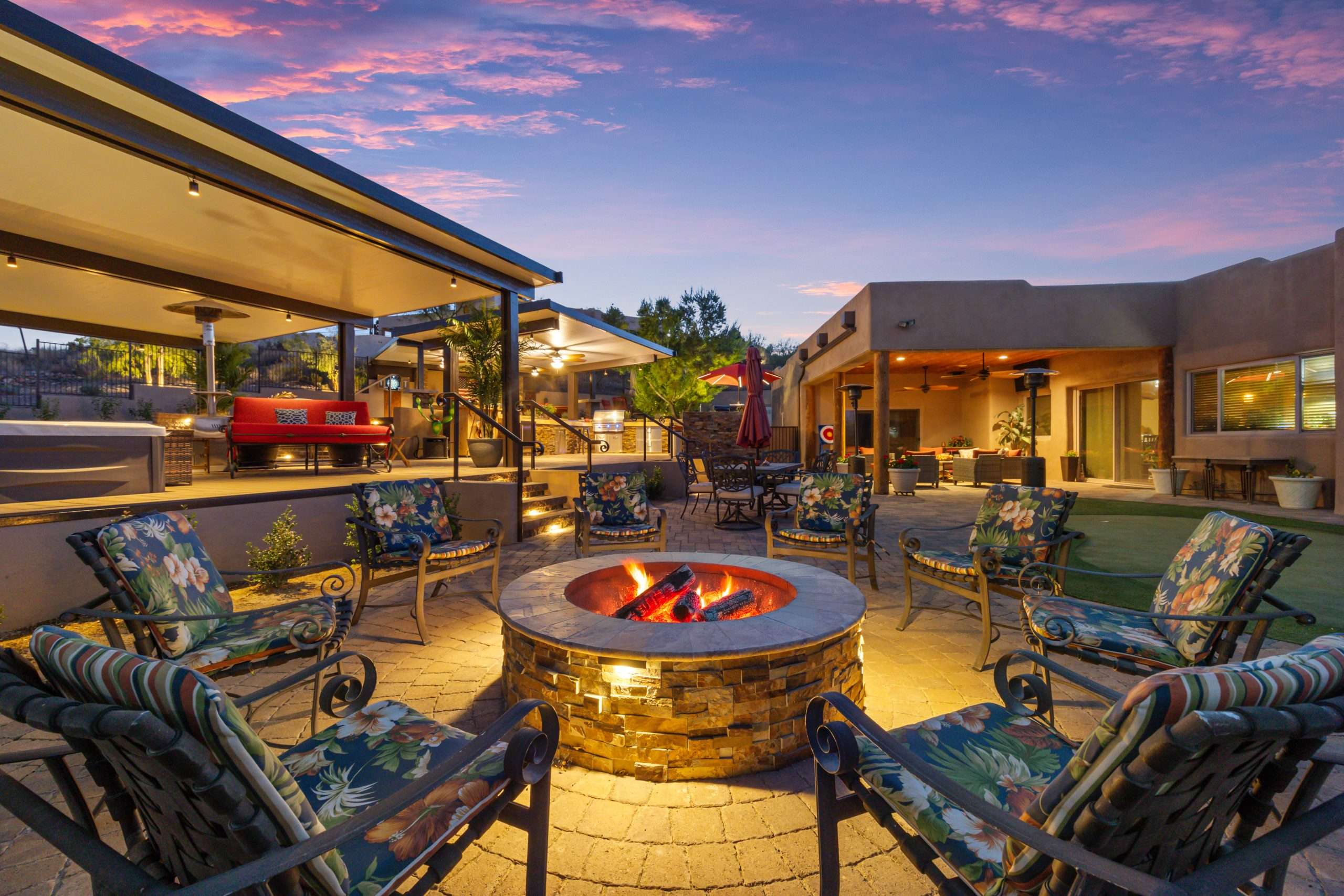
The Aesthetics Of Your Home And Yard
Another factor to consider is the aesthetics of your home and yard. Your landscape should be designed with your home and surroundings in mind. Consider the size of the rocks, the color of the stones and gravel you have chosen, the texture, and contrasting colors. All aspects should work together.
Here are some visual styles you may opt for on your landscaping project:
Mediterranean – Mediterranean landscapes have a unique character. These landscapes use bright, vibrant colors, olive trees, and various stones such as gravel, limestone, and cobblestone to create an idyllic and tranquil space to unwind in.
Formal/ Traditional – Formal or traditional landscapes focus on order, symmetry, geometric shapes, and manicured lawns and hedges in the design.
Xeriscaping – Xeriscaping is a very popular trend in Arizona. Being a desert, xeriscaping focuses on water conservation, drought-tolerant plants and trees, rocks, and other materials to create a visually appealing, low-water usage landscape.

Soil
There are many factors and considerations one should take into account when selecting soil for your yard. These factors include the soil’s composition, its ability to retain moisture, the amount of nutrients, etc.
Here is a breakdown of the factors that determine choosing your soil:
You need to understand your soil. This requires testing your soil, understanding the type of soil, whether your grass and plant choices can thrive in it, and whether it offers enough moisture retention and aeration to allow plants to grow.
Knowing your plant needs and soil requirements also involves knowing whether your grass and plants are drought-tolerant. Water retention is a critical factor. Other factors include pH levels and the nutrient levels of the soil.
All of the above factors should be considered when choosing soil for your landscaping project.
Environmental Benefits Of The Plants
There are environmental factors that play a role in deciding which plants you should plant in your yard, or how sustainable your choice of plants is when there is a water shortage.
When selecting plants, you should consider the natural habitat, wildlife, the pollinators, and birds in the area. Another factor is the water usage of the materials. Stone has no water usage, but plants need water, and so does grass. Living in a drought-prone area, you may consider xeriscaping in those situations.
Amount Of Sun Or Shade Your Yard Receives
The amount of sun or shade your yard receives is a crucial factor to consider. The amount of sun or shade determines the type of grass you lay, the plants you choose, and whether your stone paving will fade in the hot sun.
Certain materials fare better in the shade than in the sun. You should monitor the sun and shade before committing to your choice of stone, grass, or plants for your next landscaping project.
Maintenance
Regarding maintenance, consider opting for low-cost and low-effort materials. The long-term upkeep and cost are other considerations to keep in mind. Opt for durable pavers that require a pressure wash periodically and low-maintenance drought-tolerant plants for the dry climate in Phoenix.
Ongoing labour costs, water costs, and fertilizer expenses add up. Materials that require frequent cleaning, repair, or replacement can increase the cost of the project over time.
Lawns also have ongoing costs through mowing, fertilizer, and pest control. Even though grass is lovely in your yard, it might not be practical, and you may opt for something like artificial grass.
Durability Of The Materials
The durability of the materials should be considered. The materials need to be durable, especially in Phoenix. You have a harsh desert climate, extreme heat with intense sunlight, and the occasional batch of rain.
Materials such as stone, concrete, and treated wood are preferred in these climates. These materials can withstand the elements and offer some longevity. They are also resistant to cracking, fading, and other forms of degradation.
As a rule of thumb, materials should be:
- Heat resistant
- UV resistant
- Rain and Erosion resistant
Considering the uses of specific materials. Durability of the materials should be factored into account when building paths or walkways, walls or retaining structures, and decks and patio areas.
Costs
The overall costs of the materials can have a significant impact on your project’s budget. You also need to weigh up the maintenance costs of the materials. Some materials, such as Travertine, need regular sealing, and a high-quality sealer can be expensive.
Costs can also greatly vary by stone or soil choice, for example. You may need to substitute certain materials for others to stay within your budget. Alternatively, try to finance your landscaping project.
Climate Conditions
The climate conditions play a large role in selecting materials. The materials should be durable enough to withstand the elements. Landscaping projects in Phoenix, AZ, have specific needs. The materials, such as plants and grass, would need to have a certain amount of drought tolerance and water efficiency. The materials should be able to withstand the high temperatures during summer and strong winds. The materials should be weather-resistant to a certain degree.
It may also be wise to mitigate the heat through dedicated shade cover, either by planting fast-growing trees or a shaded structure such as a pergola or an awning. Plants do require sun exposure, so planning your plants and trees together is a great idea.


Functionality
The functionality of the garden, seating area, and walkways needs to be considered.
Walkway materials need to be hardwearing and perhaps made of stone and gravel. The seating area would need to be covered to protect guests from the heat and UV rays. The plants and grass would also need to be considered, as you may need to opt for artificial lawns in drought-prone regions and plants that are native to the drought-prone landscape.
Conclusion
These are the considerations you would take before choosing landscaping materials for your landscape project. In many cases, these are only a few of the considerations. Each landscape design project would have its own considerations.
If you need landscape installation company in the Phoenix area, please contact us today.


