
Pros And Cons Of Artificial Grass In Backyards
Pros And Cons Of Artificial Grass In Backyards
Installing artificial grass in your backyard is a popular choice for homeowners in hot, drought-ridden climates. These artificial lawns provide a lush green look to your yard all year round and require less maintenance than traditional lawns.
As with everything these, artificial lawn products have advantages and disadvantages. This post shall discuss all the pros and cons of artificial grass as well as alternatives and why you should consider it in your yard.
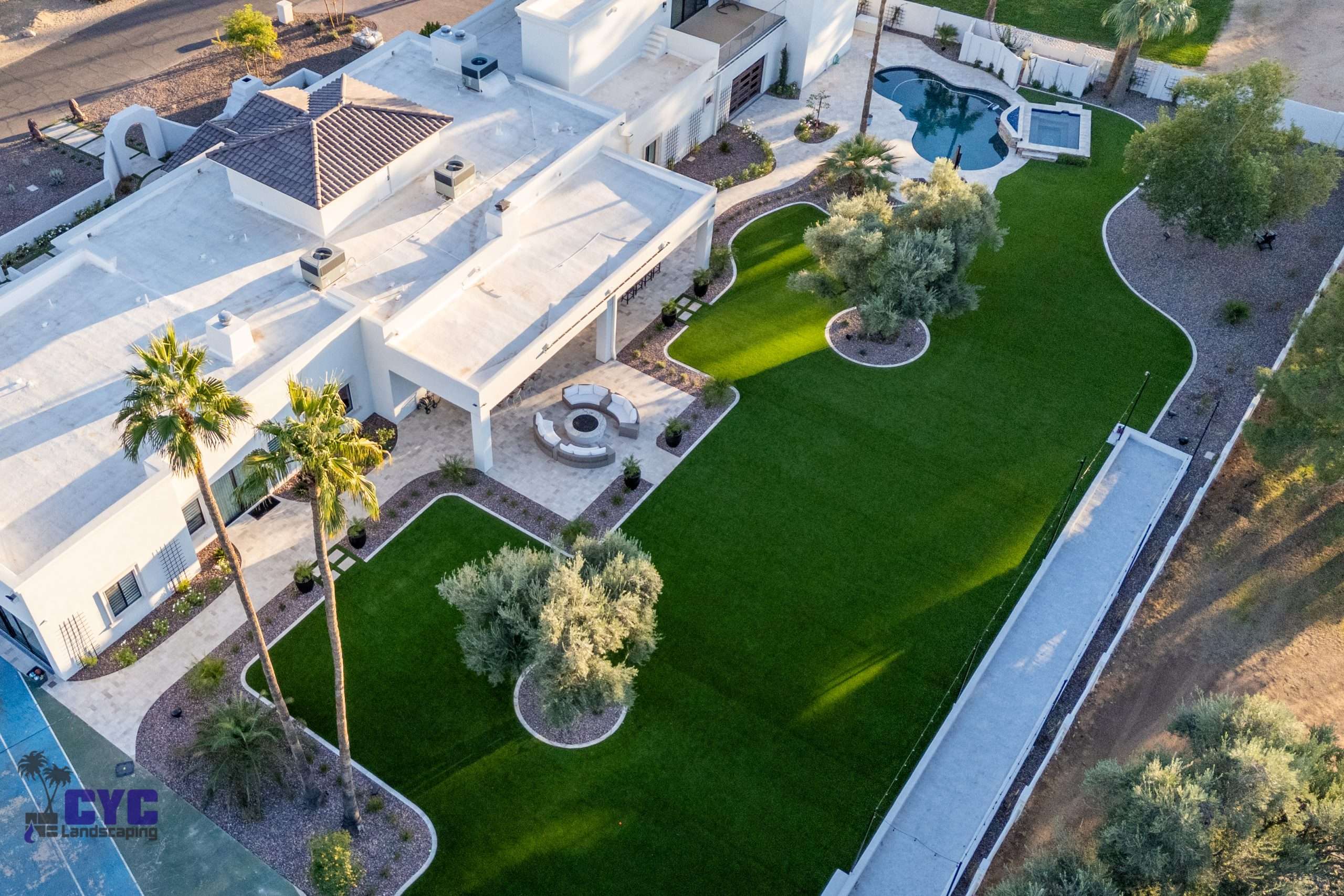
What Is Artificial Grass
Artificial grass or artificial turf is a surface made of synthetic materials that is designed to mimic the look of natural grass. Its construction is similar to that of a carpet. This material is in sports stadiums and arenas, residential homes, and commercial applications. The material is more durable and requires less maintenance than traditional grass, it just requires periodic cleaning. It also looks realistic for a synthetic material.
How Does Artificial Grass Differ To Artificial Turf
While some may say that these two options look the same, they have very different characteristics.
What is Artificial Turf
Artificial turf is used primarily in sports stadiums as it is designed to be hardwearing and extremely durable. It is designed to handle a large amount of foot traffic and yet be softer than natural grass. The characteristics of turf are that it has short blades of grass, has a rough texture, and can lead to carpet burn. This product only comes in one shade of green.
What is Artificial Grass
The artificial grass installed in your yard will have longer and softer blades of grass. It should give a lush appearance in comparison to artificial turf. The artificial grass is also available in many different shades of colors. This is a very good option if you live in a region where ongoing drought is a problem and drought-resistant lawns aren’t providing you with the necessary look.
All The Pros And Cons Of Artificial Grass
There are many pros and cons of artificial grass. These pros and cons range from low maintenance, durable and pet friendly grasses to the high costs of installing, the wear and tear as well as dealing with pet odors.
Advantages Of Artificial Grass
Here are some of the popular reasons why someone would install artificial grass in their yard.
Low Maintenance
It is a well-known fact that artificial grass is low maintenance. It doesn’t require a lot regular maintenance. Usually spraying down the grass with water every once in a while to clean it is all that is needed.

Durable
Artificial grass is a durable solution for residential yards when it is installed and maintained properly. Artificial grass can last between 15 and 25 years in your backyard when installed and maintained properly.
Pet Friendly
Artificial grass is pet friendly. It is safe for all pets and dogs, they play freely in your yard without worry. The composition of artificial grass uses non-toxic chemicals and materials making it safe. These materials and chemicals are the same that are used to make children’s toys.
Aesthetically Pleasing
Artificial grass is aesthetically pleasing. With its year round vibrant and lush look, it brings a naturally aesthetically pleasing look to your yard all year round. Artificial grass also has some variety in colors and tones of its fibres.
Hypoallergenic
Artificial grass is manufactured with man-made materials, including recycled plastics. The materials don’t produce pollen, don’t require mowing and are non-porous. This means if you struggle with hayfever, pollen allergies or any of the other allergic reactions you may have then this is the best solution for your yard.
Looks Great All Year Round
Artificial grass looks great all year round because it is weather-resistant and requires little maintenance. Artificial grass requires no upkeep, such as fertilization, watering (other than general cleaning) and regular mowing. With artificial grass, you can have beautiful green lawns all year round.
Does Not Require Pesticides And Fertilizer
Unlike traditional grass, artificial grass eliminates the need for pesticides or fertilizer because it is a synthetic or man-made product. Traditional grass would require this on a consistent and ongoing basis.
Reduces Water Usage
Having artificial grass in your yard would significantly reduce your water bill. Natural and native grasses all require some form of continuous watering. Although some drought-tolerant grasses can operate on less water than others, they still require frequent watering.
Cost Effective In The Long Run
The upfront cost is very high when you initially install the artificial grass in your yard. In the long run, it starts to become cost-effective as there is no need for watering, mowing, fertilizer and general upkeep. The water bill and landscaping services are sure to run the higher costs.
Weather Resistant
Artificial grass is weather-resistant. It shouldn’t fade, disintegrate, or be damaged by strong winds, heavy rains, and very hot or cold temperatures. It also provides a lush green look, even in the worst droughts.

Disadvantages Of Artificial Grass
There are many disadvantages to artificial grass. Here are some of the reasons why you may want to reconsider artificial grass.
Upfront Cost Is High
Installing artificial grass in your yard has a high upfront cost. An artificial grass installation project would require labour costs, the artificial grass, the infill, and what is underneath the grass to be correctly prepared to ensure a smooth installation. As you can imagine, the artificial grass takes a portion of the costs – although this depends primarily on the material.
Artificial Grass Absorbs Heat
Artificial grass absorbs heat and can get very hot. This is especially important if you live in a hot climate like Arizona. Artificial grass can get very hot in hot climates, it also retains the heat. Unlike natural grasses. In situations like this, you may want to consider natural grass if you spend time in your yard, walking on the grass or lounging outside.
Environmental Impact From Manufacturing
There are 3 main ways in which artificial grass can negatively impact the environment. A major point is the amount of waste it can produce. Recycling can become problematic for this material. There is also the risk of microplastic pollution and chemical leaching. Neither is good for the environment.
Artificial Grass Isn’t Easily Recycled
As mentioned above, artificial grass produces waste. When it comes to recycling. This is due to the combinations of materials that are difficult to separate in order to correctly recycle. There is also the issue of dirt debris and soil mixed in with the fibers. This means that instead of being recycled, it ends up in a landfill where it will take up to 500 years to decompose.
Pet Odors
Pet odors can become a problem if you have dogs. If you have pets, you will need to be consistently cleaning the grass. This includes solid waste removal, hosing down the area and cleaning with an enzyme cleaner. If this isn’t done on a regular basis, it will cause a lingering odor.
Requires Basic Maintenance
While this may seem like a positive feature, it still requires some maintenance. This includes sweeping, hosing down the grass, cleaning pet waste, and repairing when damaged. Artificial grass will need to be completely maintenance-free. With basic maintenance, you can extend the life of the artificial grass by many years.
Fading And Wear And Tear
There are a few ways that can lead to fading and wear and tear on your artificial grass. Heavy sun exposure can cause discoloration of the fibers and cause it to weaken and break. Foot traffic and poor installation can also cause excessive fading and wear and tear.
Artificial Grass Alternatives
There are a variety of alternatives one can choose in their yard. Here are some of our favorite alternatives.
Xeriscaping
Xeriscaping is a great alternative to artificial grass. Xeriscaping offers a unique look and conserves water using sustainable landscaping practices as well as native plants and the use of rock and efficient irrigation to achieve a stunning yard.
Decking
Decking in an outdoor area is a great alternative to artificial grass. Decking can be laid around the pool or around the seating areas. Whilst decking also requires maintenance, it does bring a unique and natural look to your backyard.
Gravel And Stones
The gravel and stone that is used in xeriscaping is a great alternative to artificial grass. Gravel does need to be regularly maintained and children can’t play on it like they can with artificial grass. However, gravel is eco-friendly because it allows water to reach the soil, suppresses weeds, prevents soil erosion and water evaporation.
Ornamental Grasses
Ornamental grass is a great low maintenance alternative to artificial choices. They are low maintenance because they aren’t fussy about soil, require less mowing and grow in varying light conditions. Ornamental grass also offers a very unique look, if that is something you may enjoy.
Mulch
Mulch is a natural material used in gardens that is used in designated areas around the yard. It is very different from synthetic grass. Mulch retains moisture levels in the ground and helps regulate the temperatures of the flowerbeds during hot summers.
Groundcovers
Groundcovers are an alternative way to replace grass. Groundcovers such as Creeping Thyme and Ornamental grasses are great examples of groundcovers. You could also look into buffalo grass if that is an option.
Why You Should Choose Artificial Grass Over Other Options
Even though a major concern is the upfront cost, there are reasons why you should choose artificial grass over other options.
Water Conservation
Water conservation in drought-prone areas is key to environmental conservation and sustainability. Taking a water-efficient approach to your backyard by using artificial grass and drought-tolerant plants is a great way to ensure you effectively conserve precious water resources.

Low Maintenance
As we have mentioned, artificial grass is low maintenance. With the occasional sweeping and washing away pet waste – it doesn’t require anything more than that. If you are seeking a low-maintenance solution for your grass and don’t like the idea of hardscaping and Xeriscaping principles – this is the best solution.
Durable
Artificial grass is a durable solution for your backyard in drought-prone regions. High quality synthetic grass can last for 20-25 years when professionally installed and properly maintained.
Aesthetically Pleasing
You always have green grass all year round!
Suitable For Pets
It is suitable for pets as it is non-toxic and just requires waste to be cleaned and rinsed away.
What Should You Consider Before Purchasing Artificial Grass?
There are numerous factors to consider before purchasing artificial grass. These are the main considerations.
Pile Height
Pile height refers to how tall each blade of grass is. If you are looking for a dense and lush grass garden, a tall pile height would be a priority. A great idea is looking around at a variety of different grasses and their pile length to ensure you can make an informed choice about your synthetic grass purchase.
Drainage
Effective drainage is a key priority when you consider changing your backyard from natural to synthetic grass. This grass drains quickly and evenly when the ground has been properly prepared for the grass to be laid. It is one of the most important aspects of your yard to ensure it has been properly graded.
Foot Traffic
If your yard gets lots of foot traffic and you regularly entertain guests, the quality of the synthetic material needs to be of a high quality. This is to ensure it doesn’t wear excessively or get damaged and sustains a shorter lifespan.
Installation Expertise
The expertise of the installation is another important consideration. Installing the grass in your yard requires expertise, technique, and attention to detail in order to achieve the desired outcome.
Color Of Grass
Color is another factor you want to consider. The grass options come in a variety of different colors. You should consider the various options and how it will impact the look of your garden.
Cost
The cost is a rather large variable. High-quality grass is an expensive purchase. You are able to finance your landscape project if you decide to but taking into account the quality of products and expertise is usually an expensive purchase so keep that in mind.
Infill
Infill reinforces and provides support for the grass. It also helps with drainage and dust filtration. There are numerous options to choose from but you should choose one based on budget and needs.
Durability
Always consider the long-term durability of the grass. If the grass has a lifespan of 20 years, know that you will be doing this again in 20 years’ time.
Conclusion
Having artificial grass is a great way to experience an evergreen look in your yard. It certainly has its pros and cons. Having discussed the difference between artificial grass and turf, the advantages, disadvantages, and alternative solutions for your yard, you can now make an informed decision as to which option is best for your needs.
If you need backyard design company in the Phoenix area, please contact us today.


