
Pea Gravel Walkways – A Complete Guide To Pea Gravel Walkways
Pea Gravel walkways remain a popular choice for homeowners and landscape contractors who want a rustic, low-maintenance option for walkways and paths in their yards. Pea Gravel has multiple uses and is commonly used in walkways, driveways, as ground cover, and on playgrounds.
This post aims to give you a complete guide to Pea Gravel walkways, the pros and cons, as well as an installation guide.
What Is Pea Gravel
Pea gravel is a versatile hardscaping material that is affordable and used in landscaping applications. Pea gravel consists of small, smooth, rounded stones typically ⅛ to 3/8 of an inch in diameter. It resembles the size of a pea. This is not to be mistaken for river rocks.
Pea Gravel comes in various neutral colors such as grey, brown, and tan. Pea Gravel suppresses weeds, is excellent at drainage, and doesn’t degrade over time. They are great options for garden beds, patios, walkways, and dog runs.
Why Are Pea Gravel Walkways So Popular For Homeowners?
Pea Gravel walkways are a popular choice for homeowners. These are the reasons why it is such a popular choice.
Drainage Properties
Pea Gravel has great drainage properties. The nature of Pea Gravel is that it is a porous stone. This allows for water and moisture to drain through it. Whether that be heavy rainwater or run off, the gravel prevents water pooling on the walkway, making it a great idea in areas that experience lots of rainfall throughout the year. In the event that you have lots of rainfall, you may want to consider a grading solution before laying the walkway.

Aesthetics
Pea Gravel offers a rustic, natural aesthetic to your yard that homeowners like. It offers a “quieting” or tranquil feel to your yard that makes it great for unwinding after a long day. Pea Gravel tends to complement the greenery from native grasses, shrubs, and plants.
Low-Maintenance
Pea Gravel offers a low-maintenance option for homeowners. Whilst not being completely free of maintenance, it is a great option for someone who wants minimal maintenance without going for concrete or paver options.
Durable
Pea Gravel is a durable rock. It has a long lifespan, unlike other materials. As a rule, Pea Gravel doesn’t decay or degrade over time; however, it can become displaced through heavy rains and foot traffic. If it does start to thin out, you can buy some more and spread it out across the path.
Versatile
Pea Gravel is exceptionally versatile. It is loved for its natural appearance, smooth texture, and drainage capabilities. These versatile rocks are used on walkways, patios, as garden mulch, or to create a dry creek bed. Pea Gravel can also be used in aquariums and terrariums. It is incredibly versatile.
Affordable
Pea Gravel is affordable. To give you an idea, you can expect to pay between $30 – $60 per ton! Comparing Pea Gravel to concrete pavers, a full installation of concrete pavers may cost you $10 per square foot. This makes it ideal for DIY projects or as a cheaper option for patios as well as walkways.

What Is Pea Gravel Most Commonly Used For?
Pea Gravel has many uses. Pea Gravel is commonly used in walkways, playgrounds, driveways, and as ground cover in your yard.
Walkways
Pea Gravel is commonly used for walkways and paths. This is due to its looks and ability to drain pooling water away. It is also inexpensive.
Driveways
Pea Gravel is a great option for driveways. The aesthetic look and feel, along with its low cost, make it an affordable option when the homeowner wants a rustic driveway to add to their curb appeal.
Ground Cover
Pea Gravel is also used as ground cover. Pea Gravel is great to surround drought-tolerant plants. It tends to add to the rustic desert feel.
Playgrounds
Loose-fill Pea Gravel is a great option for residential playgrounds. It offers some absorption properties from falls, prevents mud in the playground, and keeps areas clean.
Is Pea Gravel Good For Walkways?
Pea Gravel is great for walkways. It is an excellent, budget-friendly choice for low-traffic gardens. It offers good drainage, is aesthetically pleasing, and is easy to install and maintain. There are some downsides, such as shifting underfoot and difficult to keep clear of debris.
Step-by-Step: How to Build a Pea Gravel Walkway
This is a step-by-step guide on how a landscape designer will plan and install your Pea Gravel walkway.
Plan The Walkway
A landscape designer will first plan the walkway. They will take into account drainage, run off, and its inherent purpose, and try to seamlessly tie it into the surrounding landscape. The path would normally be somewhere between 3 ft and 4 ft wide. The designer would want to avoid low spots where water pools. This is why grading is so important!

Excavate The Path
The next step is to excavate the path. They will attempt to dig approximately 8 inches deep to remove the grass, roots, rocks, and loose soil. After excavation is complete, they may level out the excavated area in preparation for compacting the soil.
Compact The Soil
After excavation has been completed and all remaining debris has been removed, the landscape designer will compact the soil with a plate compactor to ensure the base is solid and sturdy before installing landscape fabric. The landscape contractor will check the level again to ensure the walkway is still level.
Install Landscape Fabric
The contractor will proceed to install landscape fabric. These are secured with landscape pins. The landscape fabric is used to reduce the amount of weed growth through the Pea Gravel walkway.
Lay The Base Layer
After the landscape fabric has been installed, crushed stone is added. The crushed stone is spread to about 3 inches deep and raked smooth and level. The crushed stone is thoroughly compacted to ensure it forms a solid base so that the Pea Gravel won’t shift, subside, or settle over time.
Install Edging
The next step is installing the edging. Edging will prevent the Gravel from migrating to undesirable parts of the yard. This should keep the Pea Gravel on the allocated walkway.
Add Pea Gravel
The next step is to add the Pea Gravel to the base. Spread out approximately 2-3 inches of gravel and rake it smooth, then level it out once again. You may need to very lightly compact the Pea Gravel, but not so much that it loses its soft feel underfoot.
Add The Finishing Touches
Lastly, the finishing touches. Walk the path or walkway and adjust for any high spots or low spots. Rake or top up with gravel where necessary. Lastly, lightly mist water on the walkway with a hose to ensure everything is level and drains adequately.
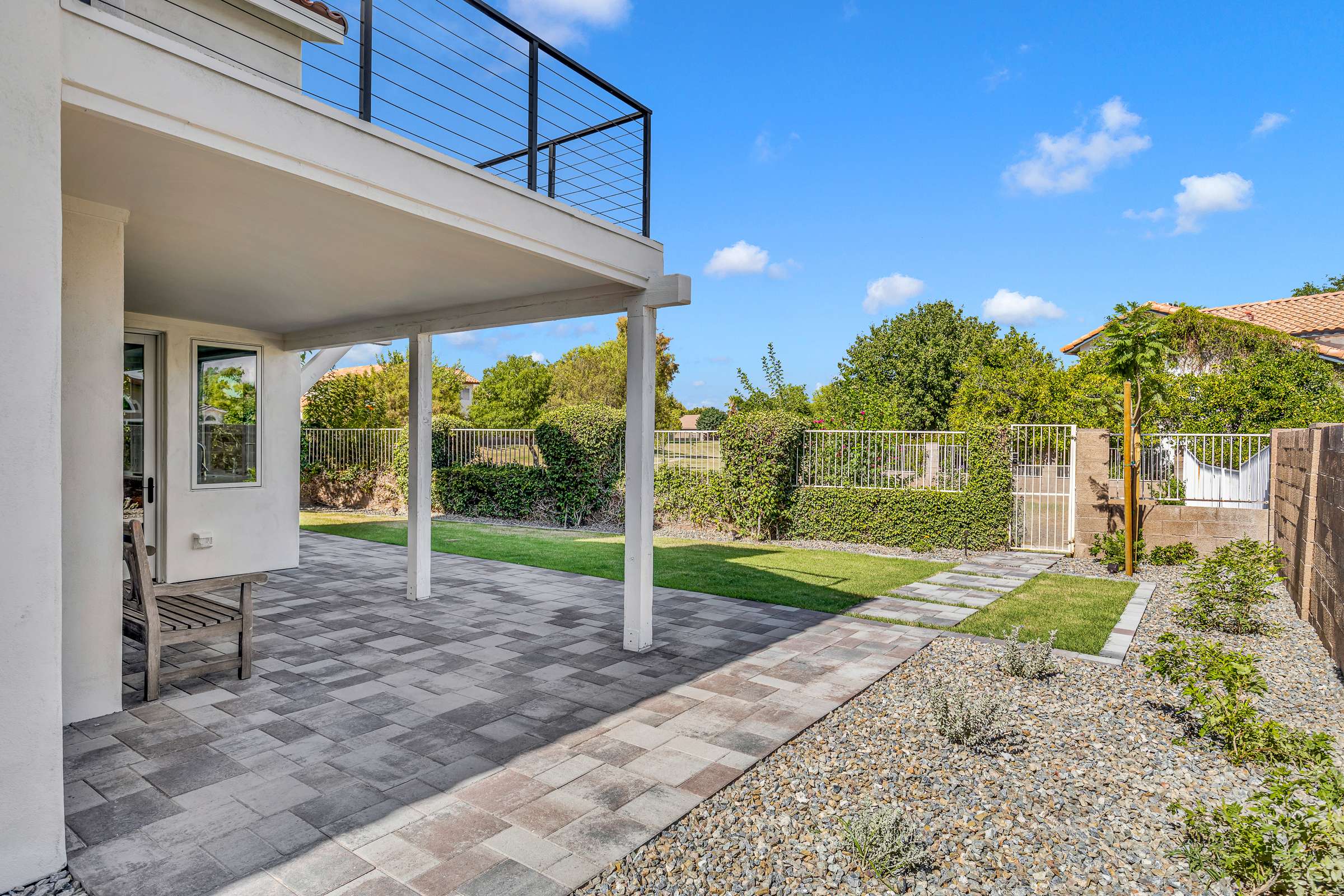
What Are The Advantages Of Pea Gravel Walkways?
Pea Gravel is a cost-effective, rustic, low-maintenance landscaping solution used in a variety of applications, including walkways.
Here is why they are so popular for walkways:
Excellent Drainage Properties
Pea Gravel has excellent drainage properties. This is due to its porous structure; this loose stone allows water to pass through the Pea Gravel rather than pooling on the surface. This helps maintain a relatively dry walkway during the rainy season.
Low Maintenance
Unlike mulch or limestone, Pea Gravel requires minimal maintenance, is durable, does not decompose, and doesn’t need replacing. It offers a great rustic look and feel without the upkeep.
Affordable
Pea Gravel is more budget-friendly than limestone, travertine, or paver options. It is also seen as a great DIY material. For any additional work you may require, you can visit the store to pick up what you need and load it into your car. The DIY aspect and the cost make it a favourable material.
Versatile Aesthetic
Pea Gravel offers a versatile rustic aesthetic that can be used throughout many different landscape projects. The appeal of the neutral color tones and the natural, rounded shapes allows it to be used in a variety of gardens and paths.
Suppresses Weed Growth
With a correctly installed landscape fabric barrier, Pea Gravel helps prevent weed growth. This is another reason why Pea Gravel walkways are such great options for low-maintenance gardens.
What Are The Disadvantages Of Pea Gravel Walkways?
Like with many hardscaping rocks, Pea Gravel also has disadvantages. These are some of the disadvantages of having a Pea Gravel walkway.
Shifting Underfoot
Pea Gravel is a loose stone. You can expect to have some shifting underfoot when walking. This usually isnt an issue unless you have mobility problems. If mobility is an issue, concrete or pavers may be a better option. Please keep this in mind.

Migrating Into Lawns
Pea Gravel has a way of spreading onto lawns and other undesirable areas of your yard. This tends to make the yard look untidy or unkept. To combat this, you should install edging to prevent the gravel from spreading. Having adging as a border can help reduce the amount of gravel migration into other areas of your yard.
Difficult To Remove Debris
It can be difficult to remove debris from the walkway. Leaves, twigs, and other debris can be difficult to remove from the walkway. A leaf blower is an option, but it can blow the gravel away, causing more of a mess. Regular maintenance may be beneficial, but keep in mind that having a perfectly clean walkway may not be realistic if you have a lot of plants, trees, and shrubs in your yard.
Weed Growth
Even with the installation of landscape fabric barriers, you may still get weed growth. This is common when organic matter accumulates between the gravel. You may want to heavily treat the area with a selective weed killer during the prep, and follow up with the weed killer when weeds sprout through.
Conclusion
Pea Gravel walkways can be a great addition to your yard. They complement the plants, trees, and shrubs, as well as giving off a tranquil feel to your yard. Like with any hardscaping material, Pea Gravel has its pros and cons. What are your thoughts on this versatile hardscaping gravel?
If you need landscape design and installation in the Phoenix area, please contact us today.


